by Doug Drynan, Vice President of Carrizo Plain Conservancy
All photos by Doug Drynan
As mentioned in my previous blog post from a December 3rd Carrizo Plain visit (Tule Elk on the Carrizo Plain) I explored several areas of Carrizo Plain National Monument (CPNM) that burned during the June 2025 Madre Fire (see Neil’s Report on 2025 Madre Fire).
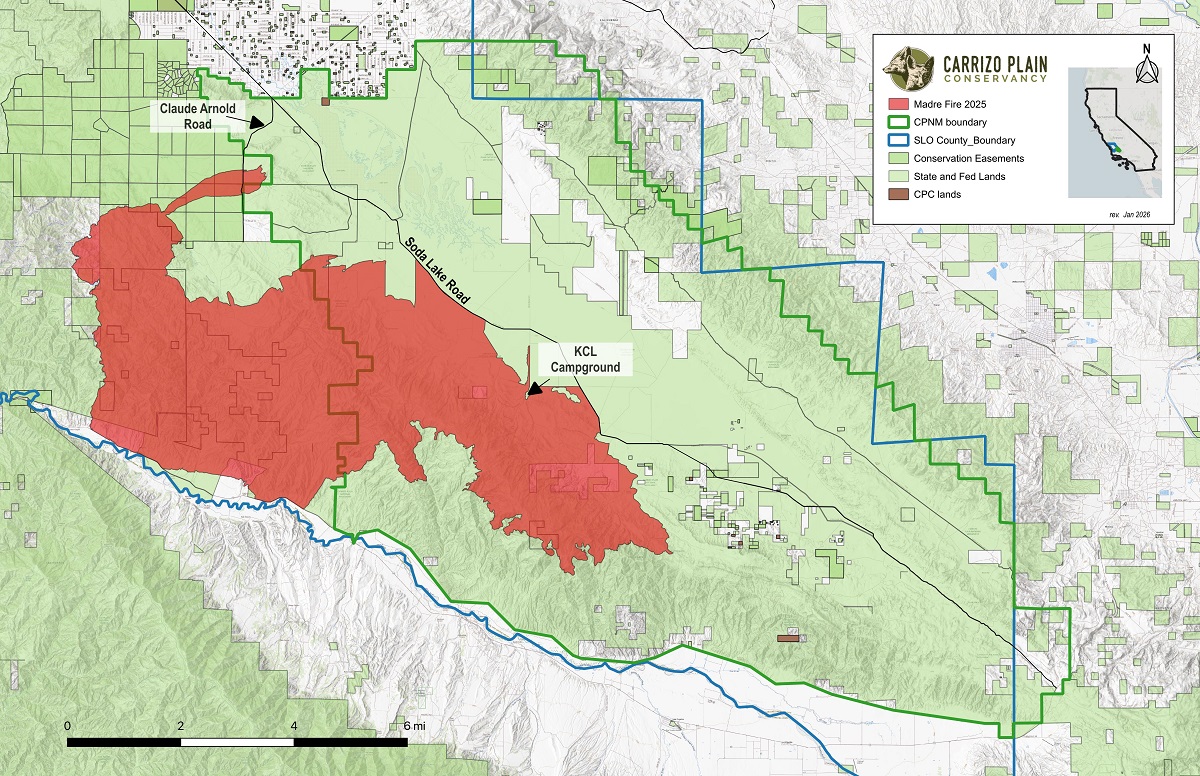
I was curious to see how well the area was recovering after the first wave of winter rains hit the Plain. After looking over a map of the fire perimeter, the first spot I chose to explore was an odd-shaped finger of the burn (or if you are like me and see bird images in everything – the topknot of a California quail).
I drove south on Claude Arnold Road, a side road that branches off from Soda Lake Road just south of where it intersects with Seven Mile Road, at the north end of CPNM. As I got closer to the “topknot”, it was obvious where the fire had run, with the bright emerald green of new grass unencumbered by the veil of brown from last year’s growth (Residual Dry Matter or RDM).
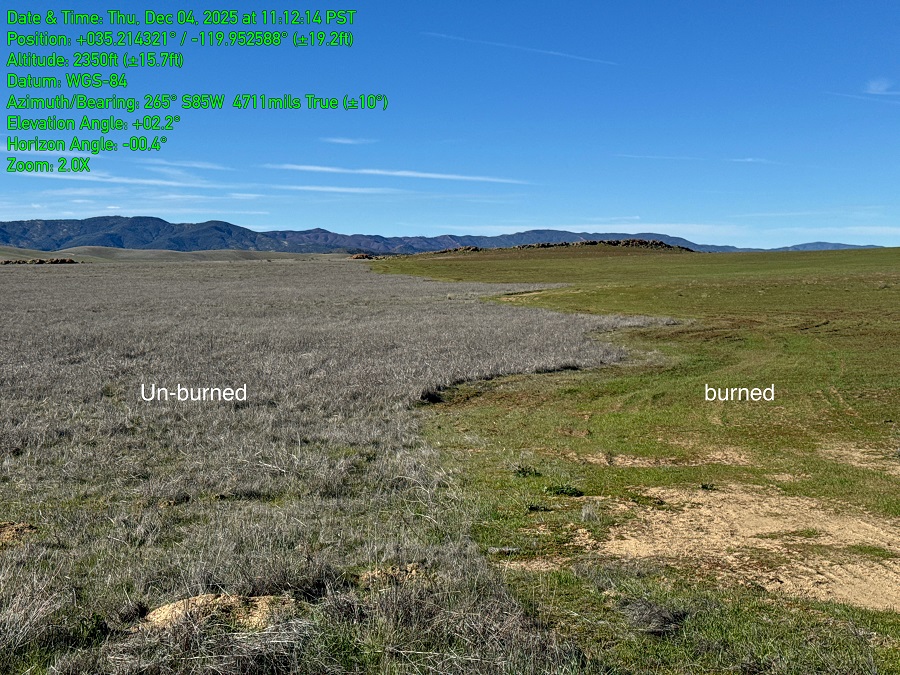
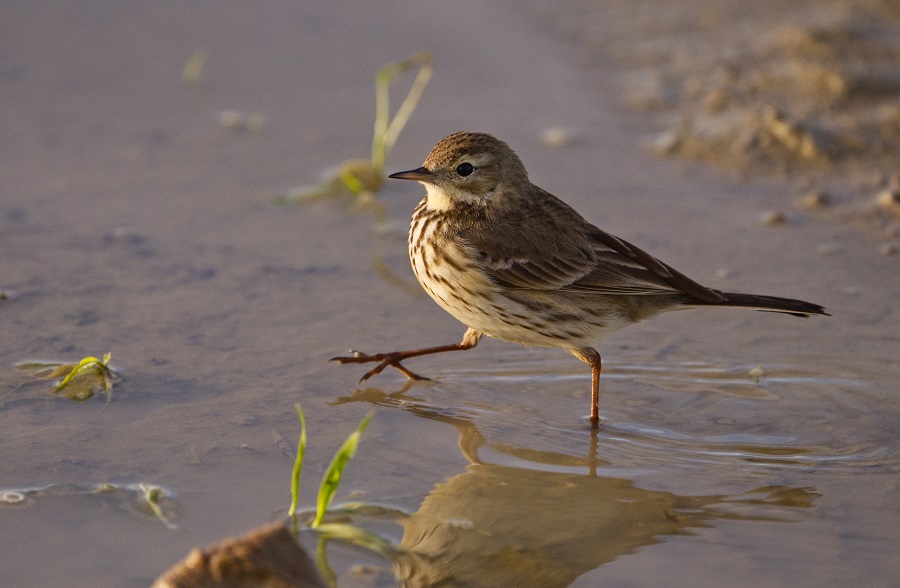
The contrast with the unburned grassland was striking. I observed a huge flock of horned larks (Eremophila alpestris) and American pipits (Anthus rubescens) foraging across the burned areas, where I assume their search for exposed seeds to eat was much easier without all the dry thatch in the way.
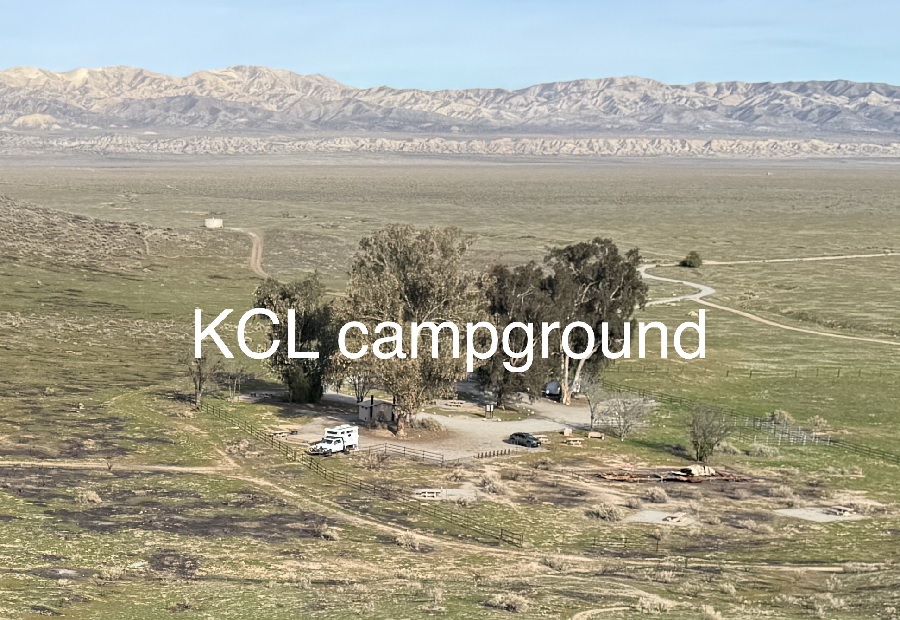
I also wanted to see areas of shrubs that had burned, so I choose another easy spot to get to in my limited time before sunset – the KCL campground. This is a good location to explore if you are interested in observing impacts of the fire. To the west of the campground is a hilltop with great views of the Caliente Mountains.
I could see how the fire moved up the east side slopes of that mountain range, with the brown color of scorched juniper canopies contrasting with dark green living portions of the crown.
In the lower hills to the north of my location I could also see the patchwork nature of the burn, within scattered clumps of saltbush shrubs (Atriplex sp.).
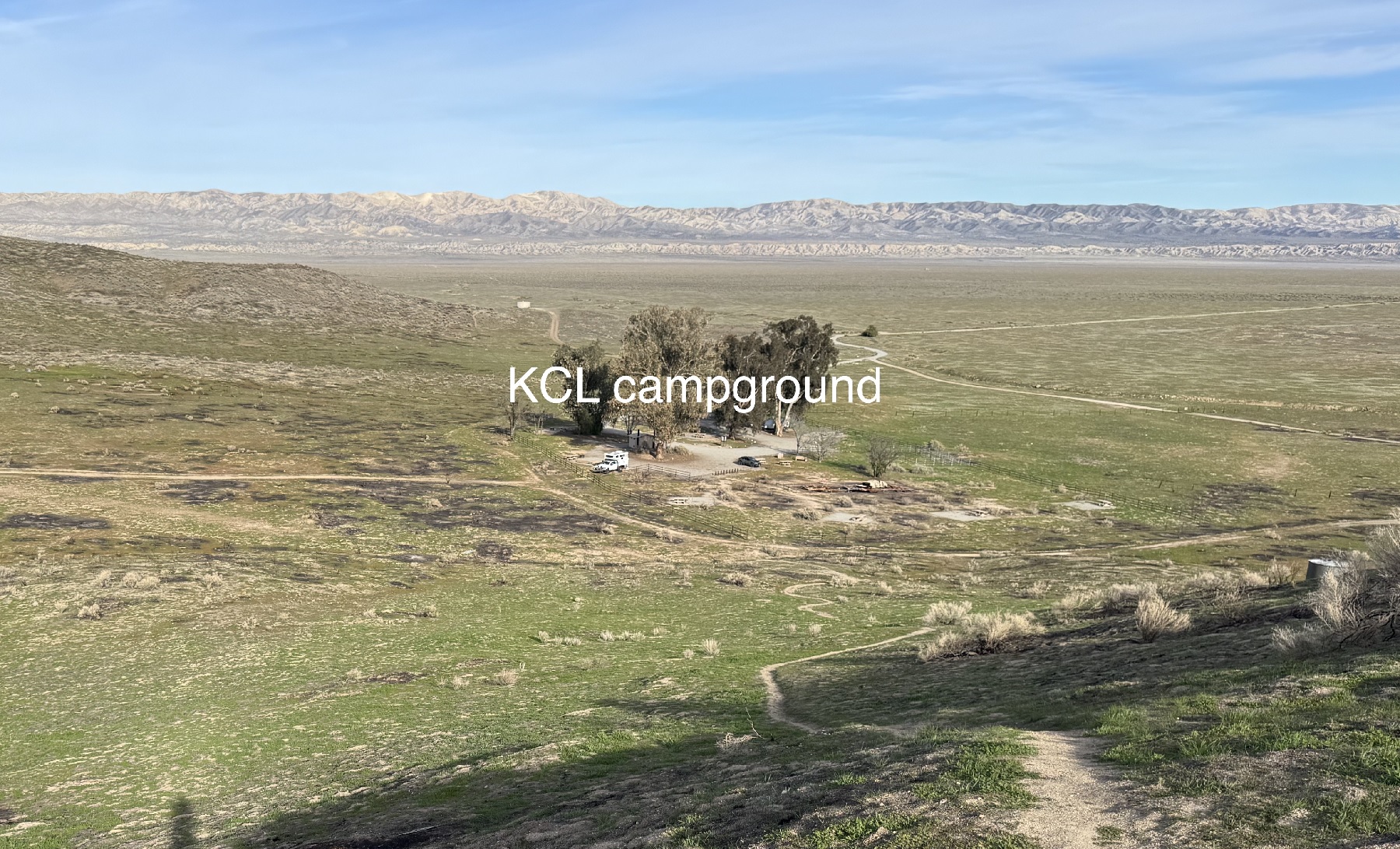
There was a visible mosaic of impact where some shrub fields were completely consumed by the fire and others escaped the flames. Bright green annual plant growth interspersed with the jet-black of charred ground. The signs of re-growth within these charred patches were everywhere.
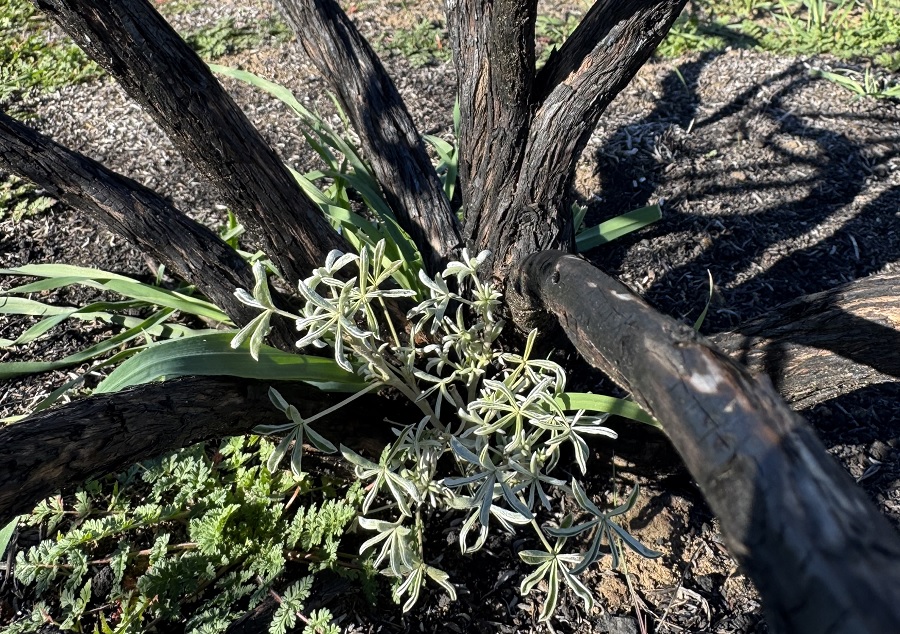
The pale green of bush lupin (Lupinus sp.) stump-sprouting next to their previous years of growth. Along with many other plants rushing to fill in the empty space.
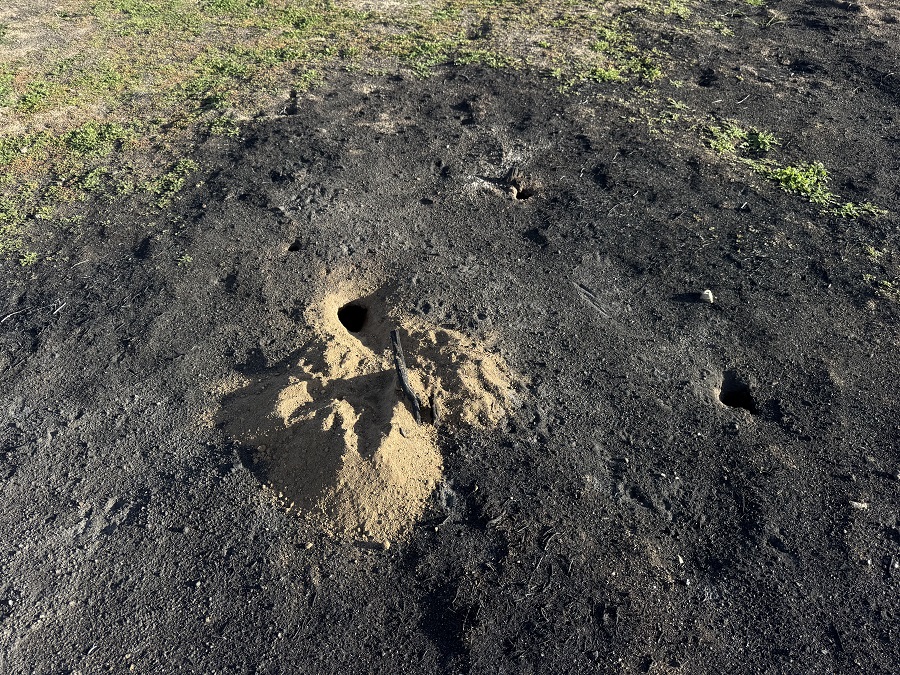
Scattered throughout the burned ground, I observed evidence of kangaroo rat (Dipodomys sp.) activity around the permitter of the campground. These industrious rodents were busy cleaning out their burrows and kicking out fresh spoils – the tan splash of dirt contrasting with the blackened char from the fire.
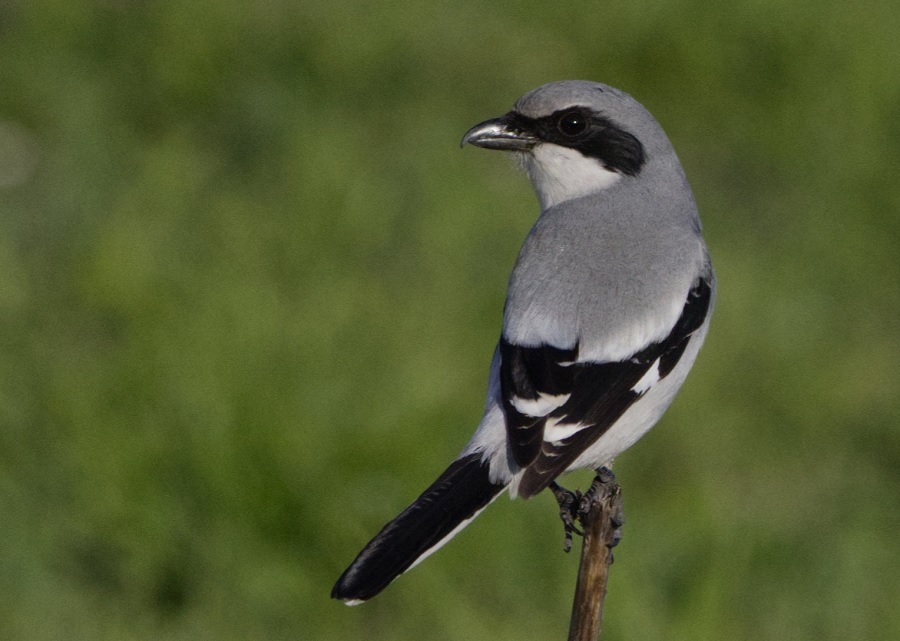
As I was walking around the burned area adjacent to the campground a loggerhead shrike (Lanius ludovicianus) was hunting in the burned field. At one point it seemed to be following me, maybe thinking that this strange hominid was going to stir up some grasshoppers for it to catch. The late afternoon light spotlighted the striking black-and-white pattern of this hook-billed hunter as it foraged in my footsteps.
I’m looking forward to many other trips back out to the Plain to observe this cycle of re-birth and restoration.